

What Is Perilla Oil? A Complete Beginner’s Guide to This Plant-Based Omega-3
What Is Perilla Oil?
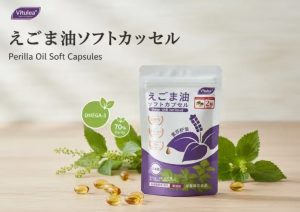
Perilla oil is a plant-derived oil extracted from the seeds of Perilla frutescens, a herb traditionally grown in East Asia, especially in Japan, Korea, and China. While the leaves of the plant are widely used in cooking, the seeds are valued for their high concentration of omega-3 fatty acids.
In recent years, perilla oil has gained increasing international attention as a natural, plant-based alternative to fish oil supplements.
But what exactly makes perilla oil special?
The answer lies in its fatty acid profile.
⸻
A Natural Source of ALA (Alpha-Linolenic Acid)
Perilla oil is particularly rich in alpha-linolenic acid (ALA), a type of omega-3 fatty acid.
ALA is considered an essential fatty acid, meaning the human body cannot produce it on its own. It must be obtained through diet or supplementation.
Once consumed, ALA may be partially converted in the body into other important omega-3 fatty acids such as EPA (eicosapentaenoic acid). Although the conversion rate varies, ALA itself plays an important role in maintaining overall health.
Because of its high ALA content, perilla oil is often categorized as one of the most concentrated plant-based sources of omega-3.
⸻
Perilla Oil vs Fish Oil
Many people are familiar with fish oil as a source of omega-3. However, fish oil primarily contains EPA and DHA, while perilla oil provides ALA.
Here are some key differences:
• Source:
Fish oil comes from marine life; perilla oil comes from plants.
• Taste and Smell:
Fish oil may cause a fishy aftertaste; perilla oil is neutral and odorless when encapsulated.
• Dietary Preference:
Perilla oil is suitable for vegetarians and those seeking plant-based alternatives.
For individuals who prefer non-marine supplements, perilla oil soft capsules offer a practical option.
⸻
Traditional Use and Modern Interest
In Japan, perilla (known as “shiso”) has been part of traditional cuisine for centuries. The oil extracted from its seeds has also been consumed in small quantities as part of regional diets.
Modern nutritional research has shifted focus toward omega-3 intake and the balance between omega-6 and omega-3 fatty acids in contemporary diets. Many experts suggest that modern eating patterns tend to be disproportionately high in omega-6.
Because perilla oil contains a high ratio of omega-3, it has drawn attention as a way to help rebalance dietary fat intake.
While perilla oil is not a medicine and should not be considered a treatment, it may support general cardiovascular and metabolic wellness when included as part of a balanced lifestyle.
⸻
Why Soft Capsules?
Liquid oils can oxidize when exposed to light and air. Soft capsules help:
• Protect the oil from oxidation
• Maintain stability and freshness
• Offer convenient daily intake
• Avoid strong taste
High-quality Japanese manufacturing standards often emphasize careful extraction, controlled encapsulation, and quality inspection to ensure product consistency.
⸻
Who Might Consider Perilla Oil?
Perilla oil soft capsules may be suitable for:
• Individuals seeking plant-based omega-3 sources
• Those who do not tolerate fish oil
• Adults aiming to maintain cardiovascular health
• People interested in balancing dietary fats
As with any supplement, individuals should consult healthcare professionals if they have medical conditions or are taking medication.
⸻
Final Thoughts
Perilla oil is not a trend — it is a traditional plant oil now being rediscovered through the lens of modern nutrition.
As awareness grows around plant-based lifestyles and sustainable supplementation, perilla oil soft capsules are becoming a practical choice for individuals seeking omega-3 support without marine sources.
Consistency, quality, and informed use remain key.
If you are exploring plant-based omega-3 options, perilla oil may be worth understanding — starting with the basics.