

How to Import Japanese Supplements to Your Country: A Step-by-Step B2B Guide (2026)
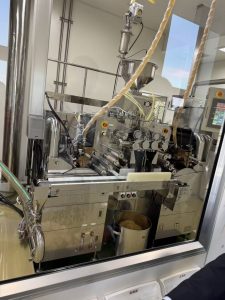 Automated softgel encapsulation line in Japan[/caption]
As global demand for high-quality health products continues to grow, Japanese supplements are gaining strong attention among distributors, retailers, and brand owners worldwide. Known for strict quality standards, advanced manufacturing, and clean-label positioning, Japan has become a trusted sourcing destination.
However, many overseas buyers still ask the same question:
“How exactly do we import supplements from Japan?”
This guide explains the full B2B process step by step — from supplier selection to shipping and customs clearance.
Step 1: Define Your Product Strategy
Before contacting suppliers, clarify your business goals:
• Are you importing finished retail products or bulk materials?
• Do you want OEM/private label manufacturing?
• Which format do you need (softgels, capsules, powders, liquids)?
For many international buyers, softgels such as perilla oil and nattokinase are among the most popular Japanese exports due to stability and consumer familiarity.
Clear positioning helps suppliers provide accurate pricing and timelines.
Step 2: Choose a Reliable Japanese Supplier
Selecting the right partner is the most critical step.
When evaluating suppliers, check:
• GMP certification and quality systems
• Manufacturing experience and export track record
• Documentation support (COA, MSDS, specifications)
• OEM/private label capability
• Communication speed and flexibility
Working with experienced exporters significantly reduces compliance and logistics risks.
Step 3: Understand Regulatory Requirements in Your Country
Each country has different rules for supplement imports.
Common requirements include:
• Ingredient compliance review
• Label approval (language + claims control)
• Product registration or notification
• Import permits (in some markets)
Before placing an order, confirm regulatory alignment with your local consultant or authority.
Step 4: Confirm MOQ, Pricing, and Lead Time
Typical expectations for Japanese suppliers:
• MOQ: usually 3,000–5,000 units for OEM
• Lead time: typically 45–60 days
• Pricing: varies by formulation, packaging, and volume
Transparent communication at this stage prevents delays later.
Step 5: Sample Evaluation and Stability Check
Always test samples before bulk orders.
Recommended checks:
• Capsule size and swallowing comfort
• Odor and taste profile
• Packaging durability
• Shelf-life and stability under transport conditions
This step is essential for brand owners entering premium markets.
Step 6: Production and Quality Control
[caption id="attachment_5449" align="alignnone" width="225"]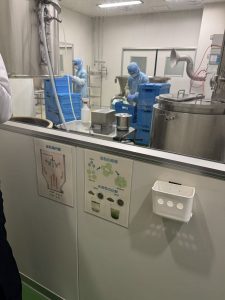 Inside a Japanese GMP-certified supplement manufacturing facility[/caption]
After order confirmation:
1. Formula + packaging approval
2. Production scheduling
3. In-process QC inspections
4. Final testing and release
Japanese manufacturers are known for strict process control and documentation standards.
[video width="720" height="1280" mp4="https://sjk-japan.com/wp-content/uploads/2026/03/工場のV.mp4"][/video]
Step 7: Shipping and Logistics
Most B2B shipments use:
• Air freight (faster, higher cost)
• Sea freight (economical for large volume)
Key documents include:
• Commercial invoice
• Packing list
• Certificate of origin
• COA (Certificate of Analysis)
Experienced exporters typically handle export-side procedures smoothly.
[caption id="attachment_5428" align="alignnone" width="300"]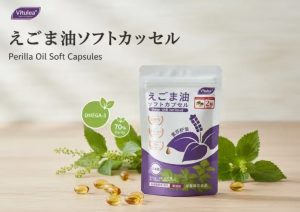 Japanese Perilla Oil Soft Capsules Rich in Omega-3[/caption]
Step 8: Customs Clearance and Distribution
After arrival:
• Import declaration
• Duties/taxes payment
• Local distribution setup
Having a reliable logistics partner helps streamline this stage.
Why Many Buyers Choose Japan
International buyers increasingly prefer Japan because of:
• Strong quality reputation
• Consistent manufacturing standards
• Premium brand positioning
• Growing demand for plant-based Omega-3 products
These factors make Japanese supplements especially attractive in high-end wellness markets.
Final Thoughts
Importing supplements from Japan is straightforward when working with the right partner and following a structured process. With proper planning, many distributors successfully launch within a few months.