

MOQ, Pricing & Lead Time: What to Expect from Japanese OEM Supplement Suppliers
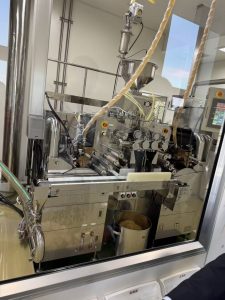 Automated softgel encapsulation line in japan[/caption]
MOQ, Pricing & Lead Time: What to Expect from Japanese OEM Supplement Suppliers
For international distributors and brand owners, one of the most common questions when sourcing from Japan is straightforward:
“What MOQ, pricing, and lead time should we expect?”
Understanding these three factors early helps buyers plan budgets, timelines, and market entry strategies more effectively.
This guide explains what overseas buyers typically experience when working with Japanese OEM supplement manufacturers.
⸻
MOQ: What Is Typical?
Most Japanese OEM supplement manufacturers work with structured production planning, which means minimum order quantities (MOQ) are usually required.
Typical expectations:
• Softgels: 3,000–5,000 units
• Capsules/Tablets: 3,000–10,000 units
• Powders: depends on packaging format
MOQs vary depending on formulation complexity, packaging customization, and raw material sourcing.
For first-time buyers, starting with standard formulations often helps reduce MOQ requirements.
⸻
Pricing: What Influences Cost?
OEM supplement pricing in Japan depends on several key factors:
• Ingredient quality and origin
• Formula complexity
• Packaging format (bottle, pouch, blister)
• Order volume
• Customization level
Japanese manufacturers are generally positioned in the premium segment, but buyers benefit from strong consistency, documentation standards, and stable supply chains.
⸻
Lead Time: What to Expect
Typical production timelines:
• Standard OEM products: 45–60 days
• Custom formulations: may require additional development time
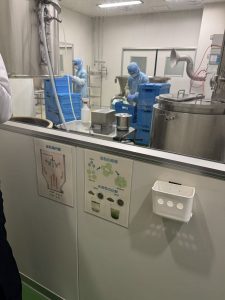 Raw material feeding process in a Japanese GMP facility[/caption]
Lead time includes:
1. Formula confirmation
2. Packaging approval
3. Production scheduling
4. Quality inspection
5. Final release
Planning ahead helps avoid delays, especially during peak production periods.
⸻
Tips for Overseas Buyers
To streamline the process:
• Confirm specifications early
• Align packaging design timelines
• Prepare regulatory review in advance
• Communicate forecast demand clearly
Working with experienced export-focused partners helps reduce uncertainty across the entire process.
⸻
Final Thoughts
While Japanese OEM supplements may require slightly higher planning standards, buyers benefit from reliability, quality consistency, and strong global positioning — key advantages for premium markets.